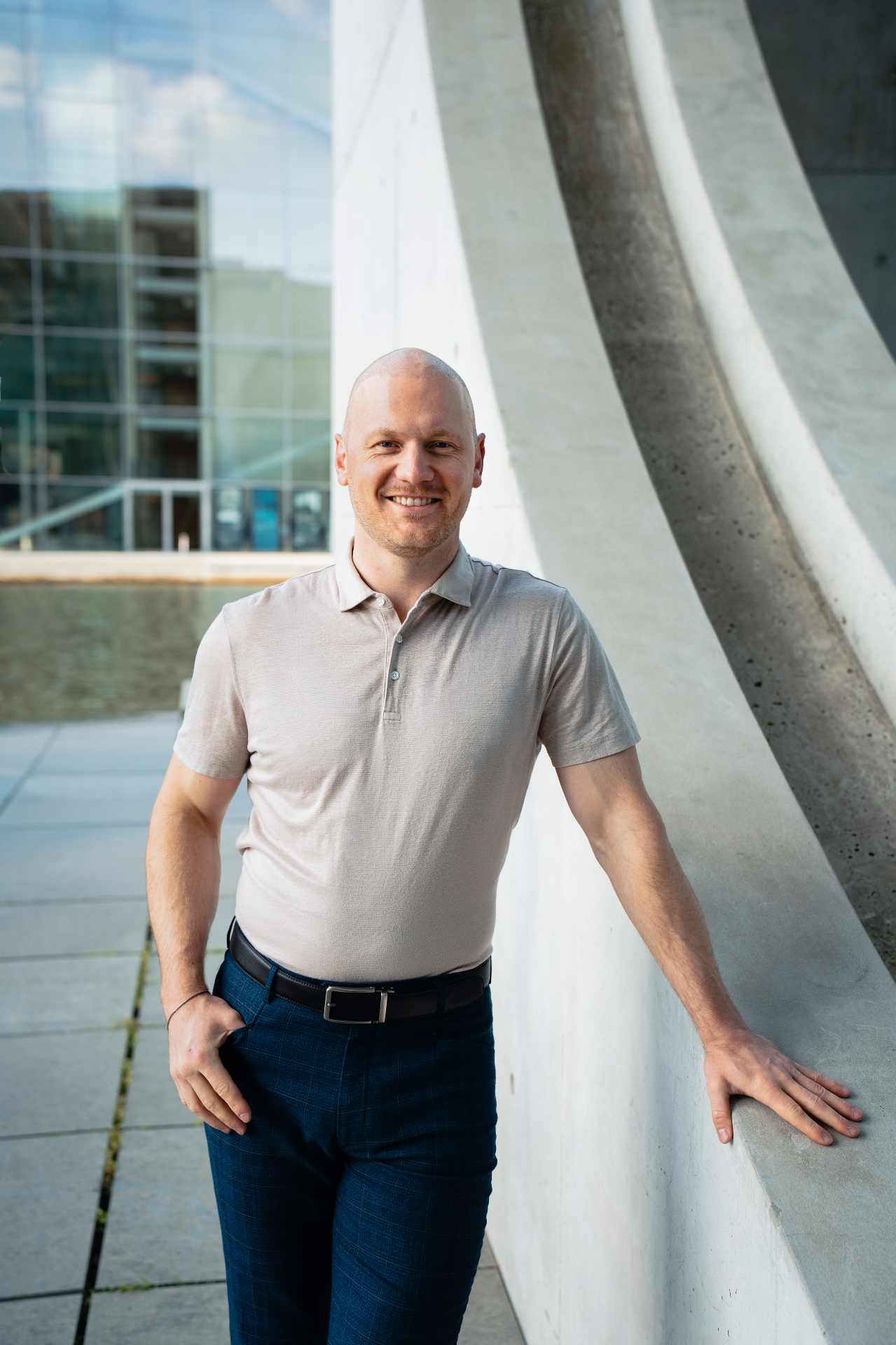
Harry William Kraft — non-tied financial planning in Berlin
Insurance broker (§34d GewO) and fee-based financial planner (DMA) — private health, disability, retirement and wealth building.
- Role
- Founder of Finanzkraft
- Location
- Berlin, Germany · mandates across the DACH region
- Authorisation
- Non-tied insurance broker under § 34d (1) GewO, granted by IHK Berlin
- Registration number
- D-J52R-FS3NN-44 (DIHK broker register)
- Qualification
- Certified fee-based adviser (DMA)
- Investment advice
- Via cooperation under a regulated liability umbrella
- Financial planning since
- 2021
- Education
- Business administration, DHBW Mannheim
- Previous career
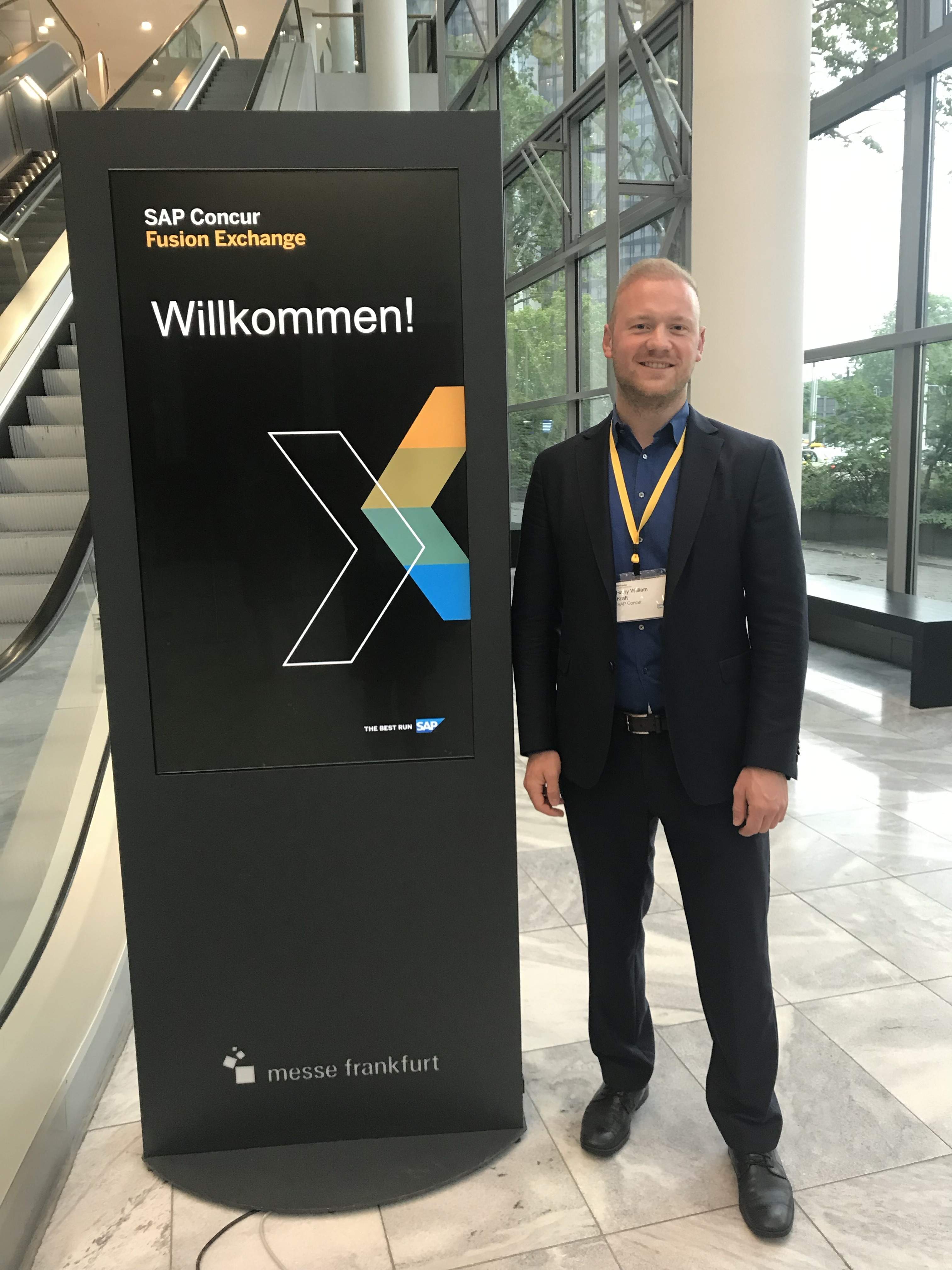
- Nine years at SAP
- Clients
- Entrepreneurs, freelancers and executives
- Languages
- German, English
Also listed at: LinkedIn · DIHK-Vermittlerregister
Who sits across from you.
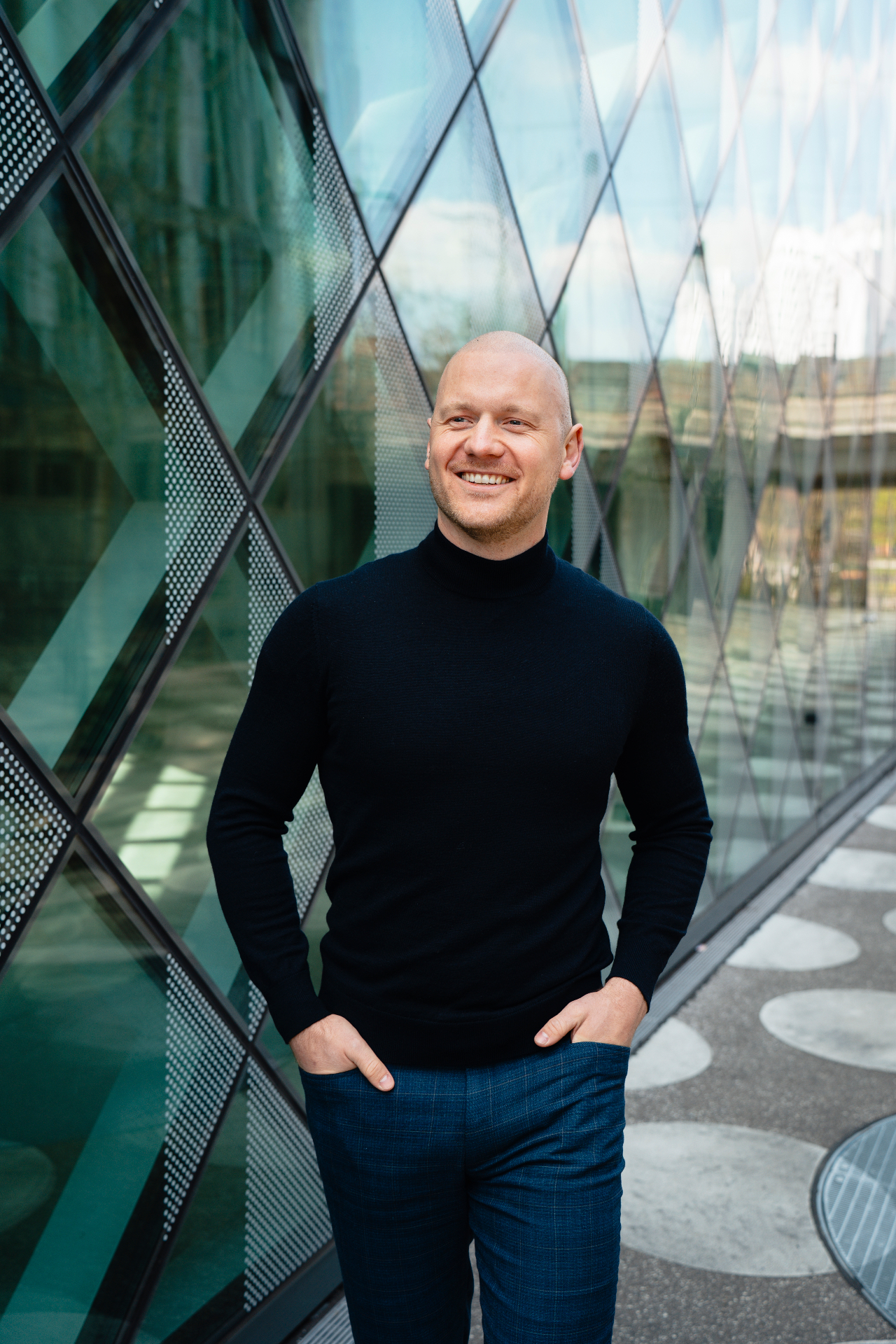
I'm Harry William Kraft, non-tied broker and financial planner based in Berlin. My clients are entrepreneurs, self-employed professionals and executives across the DACH region – people who don't need another product pitch, but a solid financial strategy.
Before finance, cycling was my profession: ten years at national level, German champion and national team rider. What remains is a working style: think long-term, analyse honestly, execute consistently.
- 01
Decide without ties
I work without provider mandates and without sales targets. Every recommendation is based on your situation – not on a product provider's commission structure.
- 02
Advise as I would advise myself
My guiding question on every decision: would I structure this the same way for my own wealth? If not, I don't recommend it to you either.
- 03
Long-term, not transactional
I build mandates that last decades – with annual reviews, clear documentation and one point of contact who knows your history.
- 04
Discipline from competitive sport
Ten years of cycling at national level taught me one thing: results come from structure, repetition and honest assessment. That's exactly how I work in your financial planning.
Out of the industry. On your side.
Nine years inside a DAX corporation. Then the break and the question of purpose. Today fighting for more personal financial power.
From youth club to the national jersey.
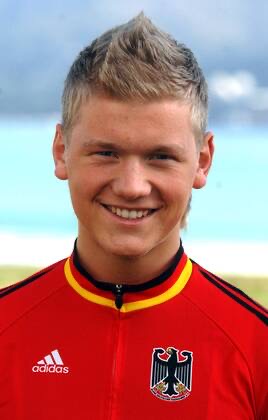
Half my life belonged to cycling – from the first laps at a small youth club to the German championship title and the national team.
I got into the sport through my father, a close friend of Günter Haritz, Olympic champion 1972 in Munich. The photo shows me aged 18 at the training camp on Mallorca.
"I never wanted to sell."
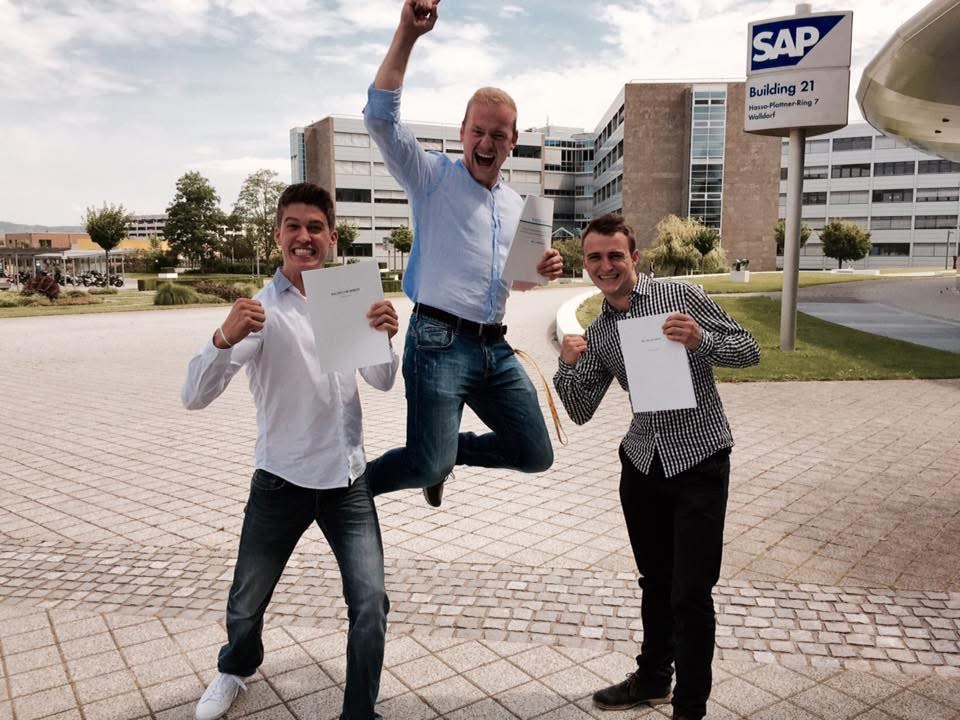
Nine years in a DAX corporation, targets hit, even the Winners Circle in Thailand. Still, it never quite felt right. Only later did I understand: selling was never the problem – what I was selling for was.
One scene stuck with me: a client faced a choice – a small package now, or a much larger, more sensible step one quarter later. To me the answer was obvious. To my manager it wasn't: close the small deal now to save the quarterly target.
An artificial deadline distorting a decision that actually belongs to the client. I could never identify with that. That was the break – and the beginning of Finanzkraft.